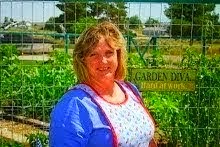
I graduated high school and set off for college with a few more of my personal puzzle pieces in place. Deep down I did not really care about getting a college degree. College, for me, was the means to an end with the end being a Pledge Commercial house and a bunch of kids like on the Brady Bunch. At college I could get a husband.
I planned for perfection: I had chosen wedding colors and themes for each season. I watched housewifey-type cooking and sewing shows on PBS. While I babysat my nieces and nephews, I thought about what a great mother I was going to be. I visited real estate open houses and imagined each one as my own. I knew what I wanted, and I wanted it all. I just knew I was ready to take on a full fledged grown up life. All I needed was my husband, Phil: Phil-in-the-Blank.
I was chomping at the bit to become a housewife. The key part of that word for me was “house.” The “wife” part had little meaning. I knew that all I needed was some guy to marry me, give me a bunch of kids, and work all day so I could be left to my own devices. My attitude toward marriage had not changed much since I was a little girl playing with Barbies.
Barbie was, for sure, my favorite toy. Using the word “toy” to describe Barbie doesn’t even seem right. She was more than a toy. She was the representation of all my dreams. With her 11½ inch disproportionately blessed frame, shapely rubber legs, and massive wardrobe, Barbie played out my future in miniature every day.
I had it all. The dining set came complete with formal dining table and six chairs, plastic dishes, teeny tiny silverware and a plastic turkey dinner. Barbie’s bed, made of glued-together Lincoln Logs was covered with groovy tie-dyed blankets and pillows. My mom made Barbie an ultra modern chair by covering a tuna can with felt, and my daddy cleverly designed a set of dresser drawers out of Diamond Brand mini kitchen matchboxes. Best of all, my Barbie had the coolest dream kitchen. It had a refrigerator, dishwasher, sink, oven and washing machine all combined into one circular unit that would spin and light up at the push of a button. Barbie’s high-heeled rubber feet didn’t have to move a step: After a satisfying plastic turkey dinner, the dirty dishes came to her. I spent hours playing with Barbie, dressing her, setting up her Dream House, and practicing what I imagined life would be like when I grew up.
Ken, on the other hand, didn’t get much play. Ken had only one outfit: an odd pair of black tuxedo pants that were left over from my older sister’s prom set and a purple letter sweater with a big white “Y” on the front. Most days I would wake Ken up, dress him, and send him off to work under the bed. He was devotedly content to lie among the dust bunnies, dried up crusts of peanut butter sandwiches and boxes of out-of-season clothing while Barbie pursued her dream of being the first woman on the block to become a housewife/pet vet/astronaut/policewoman with a spinning light up kitchen.
Ken didn’t have any dreams or desires. His purpose was to work hard and make an honest woman out of Barbie. After all, they did occasionally share a Lincoln Log bed, and of course, the Liddle Kiddles who sometimes doubled as babies had to come from somewhere!
Tuesday, November 17, 2009

Tuesday, November 3, 2009
Chapter Two-- page 9
The most important influence of all was my Aunt Doll. She was my mother’s aunt who had been widowed about a month before I was born. The first time she came to visit, she must have decided that I was a pretty special baby because she moved onto our ranch and never left until her death almost twenty years later. Her real name was Katheryn, but ever since her childhood, people called her Doll because of her diminutive size. She stood a little over four and a half feet tall and weighed about eighty pounds dripping wet. Though intensely maternal, she never had any children of her own. Her sister, my grandmother, had always been a busy career woman with little time for kids, so Aunt Doll cared for my mother as her own child. When my siblings and I came along, Aunt Doll took over where she had left off with my mom.
She cooked for us, sometimes cleaned up after us, made us practice the piano, but mostly (to my father’s horror) she taught us to drink coffee. Aunt Doll drank thirty-two cups of coffee every day. I know that it was exactly thirty-two because she always counted them: Thirty-two was her limit.
My parents were afraid of Aunt Doll’s influence on me because, not only was she a coffee drinker, but she was also a smoker. She smoked three packs of red Pall Malls a day. Everything on and around her, even the food she cooked, reeked of tobacco. I have never been curious to even try a puff because I have tasted thousands of cigarettes in the air surrounding my beloved Aunt Doll. I loved her so much, but she smelled so bad. Momma and Daddy need not have worried. Her real influence on me came in the form of a 1947 green Elna sewing machine.
Aunt Doll was a professionally skilled dressmaker. As a young woman, she worked for a tailor back East where she made fully-lined winter coats and men’s suits. On the ranch she made all of her own clothes and many of ours. She even designed and constructed special soft terry cloth undershirts for my dad. Sometimes I would point out a dress that I liked in the Sears catalog, and she would appear at our door with an exact replica a day or two later. With peddle to the metal on that old Elna she spent her life sucking down coffee, puffing away on Pall Malls and watching Guiding Light on her black and white circular screen TV. What a gal!
Aunt Doll’s house was pretty and orderly. She did not buy new things for herself. Everything she owned was old, and all of it seemed to serve a good purpose. Clutter was non-existent. She had one small storage closet lined with neatly labeled boxes where she kept Christmas tree ornaments, hidden gifts for my siblings and me, and small treasures that only she understood.
On Christmas Eve of my senior year in high school, Aunt Doll was diagnosed with esophageal cancer. The doctor told her that she might have as much as one year to live. With the time she had left, she marked everything she owned with masking tape which indicated the date and occasion from which each item came. She also wrote an initial of C, G, R, or M to for Clark, George, RoxAnne or Marianne. With her personal effects clearly divided, she helped ease the burden of her passing.
One item was a shoebox marked ‘M&R’ which contained nothing but napkins, napkins that she had kept from every party, wedding, and special restaurant at which she had eaten since 1927. A few months after Aunt Doll died, RoxAnne and I sat down together and read her whole life in napkins. She had cocktail napkins from bars all over the east coast, engraved napkins from her ex-sister-in-law’s various marriages, and one with the name of a mystery man scrawled across it. What a weird little education that was! We kept a few that were significant to us, like my thirteenth birthday party napkin, the one from RoxAnne’s wedding and the napkins from my niece and nephew’s baby showers, but we were in a quandary about what to do with the rest. Nobody else would want them, not even a thrift store. Nobody could use them; they were old, dusty and written on. We thought about stuffing them back in one of our dad’s outbuildings, but instead, we decided to throw them away. Our hearts were genuinely broken at the decision. I think it was the first time in my life that I had ever thrown away anything of any emotional significance.
Aunt Doll’s influence on my life was profound. I worked diligently to become an excellent seamstress. I own and use four different types of sewing machines, but my favorite is the Elna. I have never smoked. Most of all, I have never, never saved a napkin.
She cooked for us, sometimes cleaned up after us, made us practice the piano, but mostly (to my father’s horror) she taught us to drink coffee. Aunt Doll drank thirty-two cups of coffee every day. I know that it was exactly thirty-two because she always counted them: Thirty-two was her limit.
My parents were afraid of Aunt Doll’s influence on me because, not only was she a coffee drinker, but she was also a smoker. She smoked three packs of red Pall Malls a day. Everything on and around her, even the food she cooked, reeked of tobacco. I have never been curious to even try a puff because I have tasted thousands of cigarettes in the air surrounding my beloved Aunt Doll. I loved her so much, but she smelled so bad. Momma and Daddy need not have worried. Her real influence on me came in the form of a 1947 green Elna sewing machine.
Aunt Doll was a professionally skilled dressmaker. As a young woman, she worked for a tailor back East where she made fully-lined winter coats and men’s suits. On the ranch she made all of her own clothes and many of ours. She even designed and constructed special soft terry cloth undershirts for my dad. Sometimes I would point out a dress that I liked in the Sears catalog, and she would appear at our door with an exact replica a day or two later. With peddle to the metal on that old Elna she spent her life sucking down coffee, puffing away on Pall Malls and watching Guiding Light on her black and white circular screen TV. What a gal!
Aunt Doll’s house was pretty and orderly. She did not buy new things for herself. Everything she owned was old, and all of it seemed to serve a good purpose. Clutter was non-existent. She had one small storage closet lined with neatly labeled boxes where she kept Christmas tree ornaments, hidden gifts for my siblings and me, and small treasures that only she understood.
On Christmas Eve of my senior year in high school, Aunt Doll was diagnosed with esophageal cancer. The doctor told her that she might have as much as one year to live. With the time she had left, she marked everything she owned with masking tape which indicated the date and occasion from which each item came. She also wrote an initial of C, G, R, or M to for Clark, George, RoxAnne or Marianne. With her personal effects clearly divided, she helped ease the burden of her passing.
One item was a shoebox marked ‘M&R’ which contained nothing but napkins, napkins that she had kept from every party, wedding, and special restaurant at which she had eaten since 1927. A few months after Aunt Doll died, RoxAnne and I sat down together and read her whole life in napkins. She had cocktail napkins from bars all over the east coast, engraved napkins from her ex-sister-in-law’s various marriages, and one with the name of a mystery man scrawled across it. What a weird little education that was! We kept a few that were significant to us, like my thirteenth birthday party napkin, the one from RoxAnne’s wedding and the napkins from my niece and nephew’s baby showers, but we were in a quandary about what to do with the rest. Nobody else would want them, not even a thrift store. Nobody could use them; they were old, dusty and written on. We thought about stuffing them back in one of our dad’s outbuildings, but instead, we decided to throw them away. Our hearts were genuinely broken at the decision. I think it was the first time in my life that I had ever thrown away anything of any emotional significance.
Aunt Doll’s influence on my life was profound. I worked diligently to become an excellent seamstress. I own and use four different types of sewing machines, but my favorite is the Elna. I have never smoked. Most of all, I have never, never saved a napkin.
Monday, November 2, 2009
Chapter Two-- page 8
My mother had given me my sense of humor, my love for crafts, my tenderness for children, and my (how should I put this?) full figure. Having lost her at such a young age, however, I felt like my life was a big unfinished jigsaw puzzle, and I had lost the box lid with the picture on top. I kept rummaging through the pieces trying to make sense of who I thought I should be. Besides Grandma, I looked for the answers among a few other important women who influenced my life.
My pastor’s wife, Mrs. Chism was a great comfort to me. The parsonage, which was right next to the church, might as well have had a revolving door. Kids were always welcome there, and more importantly, Mrs. Chism never seemed to be bugged by them. I would sometimes stop by after school just to visit, and she would involve me in whatever she was doing. If she was peeling potatoes, I was peeling potatoes. If she was organizing her recipes, I watched with the interest of an action adventure movie. How exciting it was for me to watch a real live homemaker at work! How mysterious were the ways of a woman whose house was welcoming, peaceful and orderly! I made up my mind that, when I grew up, I was going to be just like her.
Another woman of influence was my 4-H cooking teacher, Mrs. Parks. On her refrigerator she posted a weekly menu complete with reference of cookbook titles and page numbers for each dish. Her daughter, Connie, was one of my best friends, so I spent a lot of time at their house. Mrs. Parks lacked Mrs. Chism’s warmth, but her house was immaculate. Like one who works at figuring out a magician’s slight of hand, I wanted to unlock the secret of her organizational prowess and tried to watch carefully how she moved through her space with such diligence and efficiency. When I got to be a mom, I was going to be like her, too. I mentally scrounged through the loose puzzle pieces of my life looking for a match.
My pastor’s wife, Mrs. Chism was a great comfort to me. The parsonage, which was right next to the church, might as well have had a revolving door. Kids were always welcome there, and more importantly, Mrs. Chism never seemed to be bugged by them. I would sometimes stop by after school just to visit, and she would involve me in whatever she was doing. If she was peeling potatoes, I was peeling potatoes. If she was organizing her recipes, I watched with the interest of an action adventure movie. How exciting it was for me to watch a real live homemaker at work! How mysterious were the ways of a woman whose house was welcoming, peaceful and orderly! I made up my mind that, when I grew up, I was going to be just like her.
Another woman of influence was my 4-H cooking teacher, Mrs. Parks. On her refrigerator she posted a weekly menu complete with reference of cookbook titles and page numbers for each dish. Her daughter, Connie, was one of my best friends, so I spent a lot of time at their house. Mrs. Parks lacked Mrs. Chism’s warmth, but her house was immaculate. Like one who works at figuring out a magician’s slight of hand, I wanted to unlock the secret of her organizational prowess and tried to watch carefully how she moved through her space with such diligence and efficiency. When I got to be a mom, I was going to be like her, too. I mentally scrounged through the loose puzzle pieces of my life looking for a match.
Thursday, October 29, 2009
Chapter Two-- page 7
Life with Grandma was a peaceful one. A lot of the clutter and chaos that had defined our lifestyle when my siblings still lived at home moved out. While not especially meticulous, she kept the house reasonably tidy. She was frugal, quiet, helpful and loving.
She cooked some weird, old-fashioned stuff, like watermelon rind pickles and candy made out of orange peels. Grandma picked buckets full of wild Russian olives to can. She knew how to make wine out of the berries that grew along the banks of the irrigation ditch. Unfortunately, she was not the creative and passionate cook that my mother had been. I tried to stay away from home on macaroni and cheese night. Her mac-n-cheese was the color and consistency of shoe leather. When it was just at the peak of chewiness, she squirted about a half a bottle of ketchup all over the top and baked it an extra fifteen minutes, just to guarantee its unpalatablity. Grandma’s cooking may have lacked pizazz, but to her credit, she never left pans soaking on the back of the stove.
Everything about her appearance was practical and understated. She did not use makeup or perfume, always wore the same pair of black orthopedic shoes, and never spent more than thirty-five seconds in front of a mirror. Mostly, her wardrobe consisted of clean snap-up-the-front house dresses that she purchased mail-order from the “Monkey Wards” catalog.
Under the surface, however, ran a precious vein of pure feminine gold. One day she bought herself a very expensive formal gown, went to the beauty shop to get her hair done, and then had her portrait taken at the local photographic studio. “Every girl should do that once in her life,” she said. For my sixteenth birthday she bought me a pretty pink hair brush and told me that if I brushed my hair one hundred strokes each night, it would shine like a new colt. In her spare time she devoured Harlequin Romance novels and told stories of how she fell in love with my grandpa.
Grandma saw and admired in me youthful beauty and hope. She listened to my ridiculous boy chatter. She knew all about my dreams of domestic perfection, and never once rolled her eyes. For my high school graduation she bought me my own expensive formal gown. In my mother’s absence Grandma became a dynamic influence in my life.
She cooked some weird, old-fashioned stuff, like watermelon rind pickles and candy made out of orange peels. Grandma picked buckets full of wild Russian olives to can. She knew how to make wine out of the berries that grew along the banks of the irrigation ditch. Unfortunately, she was not the creative and passionate cook that my mother had been. I tried to stay away from home on macaroni and cheese night. Her mac-n-cheese was the color and consistency of shoe leather. When it was just at the peak of chewiness, she squirted about a half a bottle of ketchup all over the top and baked it an extra fifteen minutes, just to guarantee its unpalatablity. Grandma’s cooking may have lacked pizazz, but to her credit, she never left pans soaking on the back of the stove.
Everything about her appearance was practical and understated. She did not use makeup or perfume, always wore the same pair of black orthopedic shoes, and never spent more than thirty-five seconds in front of a mirror. Mostly, her wardrobe consisted of clean snap-up-the-front house dresses that she purchased mail-order from the “Monkey Wards” catalog.
Under the surface, however, ran a precious vein of pure feminine gold. One day she bought herself a very expensive formal gown, went to the beauty shop to get her hair done, and then had her portrait taken at the local photographic studio. “Every girl should do that once in her life,” she said. For my sixteenth birthday she bought me a pretty pink hair brush and told me that if I brushed my hair one hundred strokes each night, it would shine like a new colt. In her spare time she devoured Harlequin Romance novels and told stories of how she fell in love with my grandpa.
Grandma saw and admired in me youthful beauty and hope. She listened to my ridiculous boy chatter. She knew all about my dreams of domestic perfection, and never once rolled her eyes. For my high school graduation she bought me my own expensive formal gown. In my mother’s absence Grandma became a dynamic influence in my life.
Tuesday, October 27, 2009
Chapter Two-- page 6
By the time Momma died, all my siblings were grown and gone. Now alone as a single dad raising a way-too-cute-for-her-own-good teenage daughter, Daddy needed help. He invited his widowed mother to live with us. Grandma was very different from my mom: This fact by itself would have made her highly suspect, even if I had not already disliked her for as long as I could remember. Momma and Grandma never really got along. On second thought, that is not entirely true. They got along all right, somehow always managing to be civil to one another, but neither of them had been happy about it.
Grandma was a no-nonsense kind of woman. Nonsense had been my mom’s middle name. Momma coddled children, bought every new gadget, and visited Disneyland once a year. Grandma pinched pennies, crocheted baby blankets out of thrift store yarn, never went to Disneyland, and, as far as I knew, never coddled anyone, most especially herself.
Before moving in with us, my only vivid memory of her was when I was four years old. Grandma came to stay with us one of the times that Momma was in the hospital. She had fixed us kids a proper meal which was to be eaten at a proper table with the proper utensils. In an age of the Red Skelton Show, Man from U.N.C.L.E., Sing Along with Mitch and, best of all, TV trays, we rarely did such a thing. Grandma told me to sit up straight and cut my meat. I didn’t know how, and I must have told her so in a way that she mistook for insolence. She quietly excused herself from the table, walked out to the drainage ditch and cut a willow switch. Without a word of explanation, she spanked me and instructed me to obey. I was a quick learner. I sat up straight, cut my meat and decided from that day forward that she was a mean grandma.
Every little kid needs a grandma-type lady to adore him unconditionally. Grandma Mollart was not that kind of lady, but I had two other old ladies who filled that role quite nicely. My mother’s mother, Grammy, lived in Southern California. Laden with as many presents as the bonnet of her 1962 Chevy Corvair could hold, she came to visit us once a year for the expressed purpose of spoiling us rotten. Her twin sister, Aunt Doll, lived in another house on our ranch, and worked hard at spoiling us the rest of the time. I saw absolutely no need for Grandma Mollart to move in.
She could live with us and try to take care of me, if she wanted to, but I made up my mind not to love her. Grandma was a quiet woman who worked hard and kept to herself most of the time. Not loving her would be easy. Besides already having Aunt Doll to love, I was going to be too busy with school, 4-H, square dancing and boys to worry about Grandma’s impact on my life. Besides that, a couple of weeks after Momma died I started my first job, so I would not really have to interact with her, if I didn’t want to.
I worked at the only dry cleaner and shirt laundry in the county. We washed, pressed, folded and delivered uniforms and linens for the National Guard and most of the hotels and restaurants within a sixty mile radius. It was physically very hot and strenuous work. The shirt laundry department averaged temperatures in excess of one hundred degrees with humidity at around eighty-five percent. I lost about ten pounds in the first eleven days of work and became very, very sick.
I missed work and stayed in bed miserable, sweating and retching. Grandma brought me cool cloths; she changed my sheets, and emptied the garbage pail next to my bed. When I was better, I said distantly, “Thank you for taking care of me. You have been very kind.”
Grandma was visibly taken aback. “Why, darlin’!” she said in surprise, “You’re one of my babies! Of course, I would take care of you: I love you!”
I was shocked, and a little embarrassed. How on earth could she possibly love me? After all, I was only one of her twenty-seven grandchildren. She barely knew me. Worse than that, I was one of the four that belonged to my mother, whom she had clearly never liked. I was afraid to love her back. To do so would have seemed almost a betrayal. Despite my resolve, I opened my heart a crack and decided to give her a chance.
Grandma was a no-nonsense kind of woman. Nonsense had been my mom’s middle name. Momma coddled children, bought every new gadget, and visited Disneyland once a year. Grandma pinched pennies, crocheted baby blankets out of thrift store yarn, never went to Disneyland, and, as far as I knew, never coddled anyone, most especially herself.
Before moving in with us, my only vivid memory of her was when I was four years old. Grandma came to stay with us one of the times that Momma was in the hospital. She had fixed us kids a proper meal which was to be eaten at a proper table with the proper utensils. In an age of the Red Skelton Show, Man from U.N.C.L.E., Sing Along with Mitch and, best of all, TV trays, we rarely did such a thing. Grandma told me to sit up straight and cut my meat. I didn’t know how, and I must have told her so in a way that she mistook for insolence. She quietly excused herself from the table, walked out to the drainage ditch and cut a willow switch. Without a word of explanation, she spanked me and instructed me to obey. I was a quick learner. I sat up straight, cut my meat and decided from that day forward that she was a mean grandma.
Every little kid needs a grandma-type lady to adore him unconditionally. Grandma Mollart was not that kind of lady, but I had two other old ladies who filled that role quite nicely. My mother’s mother, Grammy, lived in Southern California. Laden with as many presents as the bonnet of her 1962 Chevy Corvair could hold, she came to visit us once a year for the expressed purpose of spoiling us rotten. Her twin sister, Aunt Doll, lived in another house on our ranch, and worked hard at spoiling us the rest of the time. I saw absolutely no need for Grandma Mollart to move in.
She could live with us and try to take care of me, if she wanted to, but I made up my mind not to love her. Grandma was a quiet woman who worked hard and kept to herself most of the time. Not loving her would be easy. Besides already having Aunt Doll to love, I was going to be too busy with school, 4-H, square dancing and boys to worry about Grandma’s impact on my life. Besides that, a couple of weeks after Momma died I started my first job, so I would not really have to interact with her, if I didn’t want to.
I worked at the only dry cleaner and shirt laundry in the county. We washed, pressed, folded and delivered uniforms and linens for the National Guard and most of the hotels and restaurants within a sixty mile radius. It was physically very hot and strenuous work. The shirt laundry department averaged temperatures in excess of one hundred degrees with humidity at around eighty-five percent. I lost about ten pounds in the first eleven days of work and became very, very sick.
I missed work and stayed in bed miserable, sweating and retching. Grandma brought me cool cloths; she changed my sheets, and emptied the garbage pail next to my bed. When I was better, I said distantly, “Thank you for taking care of me. You have been very kind.”
Grandma was visibly taken aback. “Why, darlin’!” she said in surprise, “You’re one of my babies! Of course, I would take care of you: I love you!”
I was shocked, and a little embarrassed. How on earth could she possibly love me? After all, I was only one of her twenty-seven grandchildren. She barely knew me. Worse than that, I was one of the four that belonged to my mother, whom she had clearly never liked. I was afraid to love her back. To do so would have seemed almost a betrayal. Despite my resolve, I opened my heart a crack and decided to give her a chance.
Wednesday, October 21, 2009
Chapter Two--page 5
I yearned for the type of home life I saw around me. I wanted a home and a family like Carol's, where children were fed neat snacks on pretty plates. I longed to lift a lovely vase of flowers and see a smiling reflection. I wanted to look around me and see a beautiful home to match the shining furniture. I wanted a clean car and a real garage. I wanted a groovy, smartly dressed mom. I wanted a handsome dad who wore a tie to work. I wanted white shag carpeting. I yearned for a manicured lawn where children could play quietly behind a white picket fence.
I adored my parents. I wouldn’t have traded my family for Jill’s or anybody else’s, but I believed that, because our house didn’t look like others, we were different and somehow wrong. I knew I didn’t measure up: What I longed for most of all was a Pledge-polished reflection that was worth a smile.
My heart ached for beauty and order. I couldn't wait to grow up and have a house of my own. I was sure that when I got to be a mom, things were going to be perfect. I confided my dreams with my favorite stuffed duck, Waltzing Matilda. She and I spent my birthday money that year on a box of Grape Nuts and practiced preparing neatly served snacks on little sage-green Melmac plates and cups to my baby dolls out in the playhouse every day.
Eventually I got too old for such things. Waltzing Matilda retired to the Easter basket from whence she came and lived out the rest of her days somewhere in the clutter on the top shelf of my closet. My dad, of course, filled the playhouse with more stuff.
Though I was too old to pretend, I never stopped playing house, and I clung tightly to my secret ideals. Throughout my teen years I diligently honed my skills at cooking, baking, sewing and handcrafts. By the time I was a sophomore in high school, Momma was blind and bed-ridden. She had taught me everything she could, so mostly, I learned by doing. During the summer between my sophomore and junior years, my mom passed away.
I adored my parents. I wouldn’t have traded my family for Jill’s or anybody else’s, but I believed that, because our house didn’t look like others, we were different and somehow wrong. I knew I didn’t measure up: What I longed for most of all was a Pledge-polished reflection that was worth a smile.
My heart ached for beauty and order. I couldn't wait to grow up and have a house of my own. I was sure that when I got to be a mom, things were going to be perfect. I confided my dreams with my favorite stuffed duck, Waltzing Matilda. She and I spent my birthday money that year on a box of Grape Nuts and practiced preparing neatly served snacks on little sage-green Melmac plates and cups to my baby dolls out in the playhouse every day.
Eventually I got too old for such things. Waltzing Matilda retired to the Easter basket from whence she came and lived out the rest of her days somewhere in the clutter on the top shelf of my closet. My dad, of course, filled the playhouse with more stuff.
Though I was too old to pretend, I never stopped playing house, and I clung tightly to my secret ideals. Throughout my teen years I diligently honed my skills at cooking, baking, sewing and handcrafts. By the time I was a sophomore in high school, Momma was blind and bed-ridden. She had taught me everything she could, so mostly, I learned by doing. During the summer between my sophomore and junior years, my mom passed away.
Tuesday, October 20, 2009
Chapter Two--page 4
I was vaguely aware that our home and family looked different than those of my friends. My friend, Andrea, had seven brothers and sisters, a perky mom and a handsome professional dad who wore black horn rimmed glasses and a tie to work every day. Their kitchen had beautiful shiny tile, a gleaming stainless steel sink, and an island with a counter top stove, just like the Brady Bunch. Another friend, Carol, lived in a home with dark hardwood flooring that probably reflected her mom's face when she waxed it. One summer afternoon we played in their carefully groomed back yard while her parents napped. When she awoke, Carol's mom gave us each a nutritious snack of neatly sliced apples served on clean china plates, which she had removed from paper-lined shelves, and cold chocolate milk in pretty little crystal juice glasses. Then she drove us to the movie theater in her clean air conditioned station wagon, which the family kept in their neatly organized garage. At my house we ate cold leftovers from the refrigerator staight out of the Tupperware, drove a Chevy wagon that my sister had crashed into a herd of cows, and on a good weekend, we got paid a penny apiece for every fly we killed.
At my eleventh birthday party a girl named Jill, who lived in a house with a fashionably decorated sunken living room covered in soft white shag carpeting, said my house looked like crap. Her words stung.
Part of me knew what she was saying was true, but I was just a kid, so I didn't understand what made the difference between her home and mine. I thought maybe the difference was money. Maybe if we were richer, we would have a cleaner house. Maybe it was my mom. Jill's mom was a teacher, and mine was a housewife who was sick all the time. Maybe it was because we lived in the country, and Jill lived in town. Maybe town people had better houses. Maybe our house was too big; maybe it was too small. Maybe it was too old; I didn't know. I felt angry at her bad manners, powerless to defend my family, and ashamed that I was somehow different. Mostly, though, I felt longing.
At my eleventh birthday party a girl named Jill, who lived in a house with a fashionably decorated sunken living room covered in soft white shag carpeting, said my house looked like crap. Her words stung.
Part of me knew what she was saying was true, but I was just a kid, so I didn't understand what made the difference between her home and mine. I thought maybe the difference was money. Maybe if we were richer, we would have a cleaner house. Maybe it was my mom. Jill's mom was a teacher, and mine was a housewife who was sick all the time. Maybe it was because we lived in the country, and Jill lived in town. Maybe town people had better houses. Maybe our house was too big; maybe it was too small. Maybe it was too old; I didn't know. I felt angry at her bad manners, powerless to defend my family, and ashamed that I was somehow different. Mostly, though, I felt longing.
Subscribe to:
Posts (Atom)